

AI Reshapes PR Industry Fundamentals Across the MENA region Region
The public relations landscape in the MENA region is experiencing a fundamental shift as artificial intelligence becomes integral to campaign strategy and execution. Cision research reveals that leading PR agencies using AI report three to five times higher media placement rates compared to traditional methods, whilst campaign execution speeds up by 70%.
This digital evolution extends beyond simple automation. PR professionals across the MENA region are discovering that AI tools can amplify human creativity rather than replace it, creating opportunities for more targeted messaging and data-driven storytelling.
Micro-Influencers Drive Authentic Brand Connections
The influencer marketing ecosystem is moving away from celebrity endorsements towards micro-influencers with highly engaged niche communities. These content creators typically have 1,000 to 100,000 followers but deliver significantly higher engagement rates than their macro counterparts.
"This jump in confidence reflects clearer strategic positioning and stronger proof of impact. AI-led search has finally elevated the importance of brand authority, mentions, and trust signals, giving digital PR greater visibility and relevance," said Jane Hunt, CEO of JBH - The Digital PR Agency.
MENA brands are particularly well-positioned to leverage this trend, given the region's diverse languages, cultures, and local market nuances. Tools like Buzzsumo and Mention help identify relevant micro-influencers, but success requires understanding local cultural contexts that only human expertise can provide.
By The Numbers
- 91% of PR professionals use generative AI in their workflow, with 73% for idea generation
- Leading PR agencies using AI report 3-5x higher media placement rates
- 75-80% of PR professionals expected to use AI tools by end of 2025
- 82% of citations in AI-generated answers come from earned media sources
- 64% of PR professionals use AI-powered writing tools for content creation in 2025
Fighting Misinformation in the Age of Generative AI
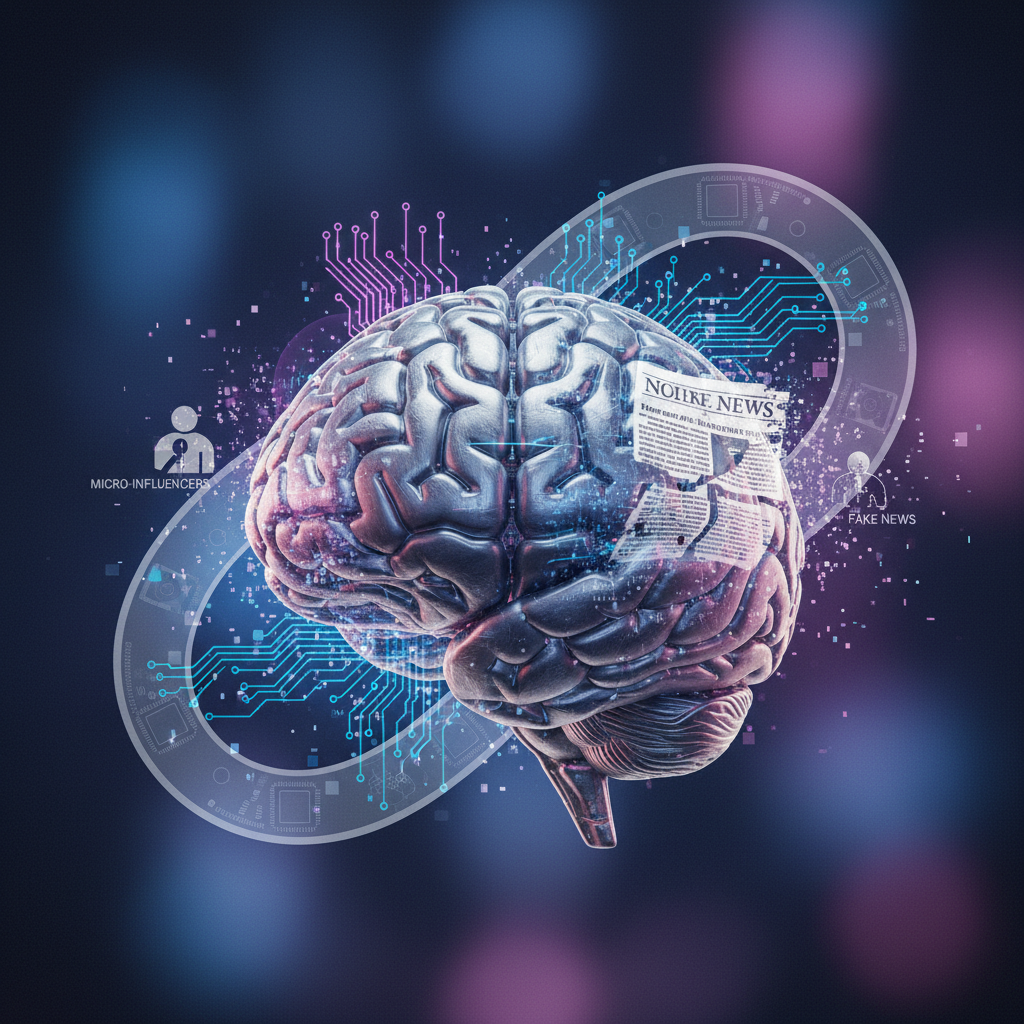
The proliferation of AI-generated content has intensified challenges around misinformation and fake news. PR professionals must now navigate a landscape where synthetic media can be virtually indistinguishable from authentic content.
Transparency becomes the cornerstone of credible PR practices. This includes clearly communicating methodologies behind data claims, partnering with fact-checking organisations like NewsGuard Technologies, and implementing robust verification processes before content distribution.
"PR teams are being challenged to move faster, prove impact, and integrate AI responsibly while continuing to deliver the creativity and narrative craftsmanship that make communications meaningful," explained Guy Abramo, CEO of Cision.
For related analysis, see: We (Sort Of) Missed the Mark with Digital Transformation.
The challenge extends to recognising AI-generated content whilst maintaining the human elements that make stories compelling. MENA markets, with their emphasis on relationship-building and trust, are particularly sensitive to authenticity concerns.
Strategic AI Integration Transforms Campaign Efficiency
For related analysis, see: Is There a Silver Lining for Creative Careers in an AI world.
Modern PR campaigns increasingly rely on AI tools for content ideation, headline generation, and visual creation. Platforms like Jasper and RunwayML enable rapid prototyping of campaign elements, though human oversight remains crucial for cultural sensitivity and brand alignment.
The most successful implementations combine AI efficiency with human strategic thinking. This approach allows PR teams to focus on high-value activities like relationship building, crisis management, and creative storytelling whilst AI handles routine tasks.
| PR Function | Traditional Method | AI-Enhanced Approach | Time Savings |
|---|---|---|---|
| Media Monitoring | Manual tracking | Real-time AI alerts | 60-70% |
| Content Creation | Full human writing | AI drafts + human refinement | 40-50% |
| Influencer Research | Manual database searches | AI-powered matching | 75-80% |
| Campaign Analytics | Weekly/monthly reports | Real-time dashboards | 85-90% |
The Human Element Remains Irreplaceable
Despite technological advances, human expertise continues to drive successful PR campaigns. The ability to understand cultural nuances, build genuine relationships, and navigate complex stakeholder dynamics cannot be automated.
For related analysis, see: Unleashing Enterprise Potential with Copilot+ PCs.
Key areas where human insight proves invaluable include:
- Crisis communication requiring empathy and cultural sensitivity
- Strategic planning that considers long-term brand positioning
- Relationship management with media contacts and influencers
- Creative storytelling that resonates with local audiences
- Ethical decision-making around AI tool usage and content authenticity
The broader conversation about AI replacing human workers applies directly to PR, where trust and relationships form the foundation of successful campaigns.
How are AI tools changing day-to-day PR work?
- AI tools streamline routine tasks like media monitoring
- basic content creation
- data analysis
- allowing PR professionals to focus on strategy
- relationship building
- creative problem-solving that require human judgement
What makes micro-influencers more effective than traditional celebrities?
- Micro-influencers typically have higher engagement rates, more targeted audiences, and greater authenticity. Their recommendations feel more personal and trustworthy, particularly in niche markets where expertise matters.
For related analysis, see: Nvidia CEO: AI growth will be gradual, then we'll all make r.
How can PR teams verify content authenticity in the AI era?
- Implement multi-source verification, use fact-checking tools, clearly label AI-generated content, and partner with credible verification services. Transparency about methodology builds long-term trust with audiences.
Which AI tools are most valuable for PR professionals?
- Media monitoring platforms, content generation tools like Jasper, influencer discovery platforms, and analytics dashboards show the highest ROI. The key is choosing tools that enhance rather than replace human creativity.
How is AI changing media relations in the MENA region?
- AI helps identify relevant journalists
- optimal timing for pitches
- but successful media relations still depend on personal relationships
- cultural understanding
- compelling human stories that resonate locally
Further reading: Reuters | OECD AI Observatory
This development reflects the broader momentum building across the Arab world's AI ecosystem. The pace of change is accelerating, and the gap between regional ambition and global competitiveness is narrowing. What matters now is sustained execution, not just announcements, and the willingness to measure progress against outcomes rather than investment figures alone.
This shift towards AI-enhanced marketing communications reflects broader trends across MENA markets, where technology adoption often accelerates due to mobile-first digital ecosystems. However, the region's diverse cultural landscape means that successful AI implementation requires careful localisation and human oversight.
The evolution also connects to wider concerns about AI's impact on traditional jobs, though PR professionals who adapt their skills remain highly valuable in an AI-augmented workplace.
As artificial intelligence continues reshaping the PR landscape across the Middle East and North Africa, the most successful practitioners will be those who view AI as a creative partner rather than a replacement. The technology amplifies human capabilities whilst creating new opportunities for authentic storytelling and meaningful audience engagement.
What role do you see AI playing in your PR strategy, and how are you balancing automation with authentic human connection? Drop your take in the comments below.
AI that creates new content (text, images, music, code) rather than just analyzing existing data.
Uses artificial intelligence as part of its functionality.
A network of interconnected products, services, and stakeholders.
Adopting digital technology across a business.
Strong, reliable, and able to handle various conditions.
Use effectively.